


Italienische Filmkritik von Francesco Carabelli: 7/10 für »Erinnerungen«
Italian film review from Francesco Carabelli: 7/10 for "Memories"

Vor einigen Wochen bekam ich eine Mail aus Italien. Ein freundlicher Herr Namens Francesco Carabelli bat mich, sich »Erinnerungen« ansehen und eine Rezension auf der italienischen Filmkritikenwebsite storiadeifilm.it veröffentlichen zu dürfen. Na, da fühle ich mich geehrt und lasse mich sicherlich nicht zweimal bitten! Seit neun Tagen ist die Rezension bereits online und dank meiner Nachbarin Graziella Sulis und Maskenbildnerin Claudia Rotoli nun auch für all jene Menschen verständlich, die der schönen Sprache, die man südlich der Alpen spricht, nicht mächtig sind. Vielen Dank Graziella und Claudia!
E adesso eccola, la recensione di »Ricordi«:
Erinnerungen
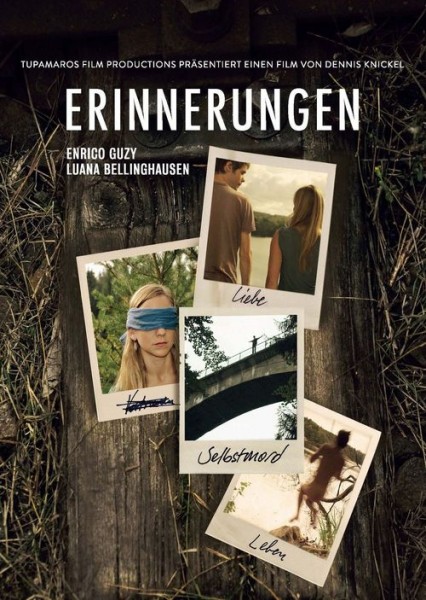
Zwei Jugendliche.
Das Sichverlieben und die Enttäuschung, dass die Liebe nicht erwidert wird.
Die Bitterkeit des Lebens und der Wille, es zu beenden.
Der Schmerz des Verlustes und der universelle Wert der Erinnerung.
Der mit der Digitalkamera RED One gedrehte Film erstaunt mit mitreißenden Kamerafahrten. Eine nie stillstehende Kamera folgt mit seitlichen und kreisenden Bewegungen der Liebesgeschichte der beiden Protagonisten, fokussiert dabei stets ebendiese beiden jungen Darsteller, die sich voll Enthusiasmus in dieses pädagogisch wertvolle Projekt stürzen.
Die Geschichte ist einfach: zwei Jugendliche, ihre Verliebtheit, das Spiel und die Komplizenschaft. Das gegenseitige Kennenlernen erfolgt durch ein Spiel aus Fragen und Antworten, das einen der beiden nicht immer befriedigt. Wie auch in vielen anderen Liebesgeschichten gibt es hier den Moment des Missverständnisses und die Erinnerung an das, was hätte sein können. »Erinnerungen« spielt genau mit diesen Komponenten: Was ist unsere erste Erinnerung? Welches Erlebnis hat uns als Erstes geprägt? Wann hatten wir den ersten Rausch? Wann haben wir uns das erste Mal verliebt?
Die Erinnerung – wie bei der französischen Kinolegende Chris Marker, ein wertvolles Motiv der Filmkunst – wird in diesem Film als persönliche Erfahrung und nicht als historische Erinnerung behandelt; auch wenn uns der Regisseur letztlich im alternativen Ende des Films – das Ende wurde nach der Teilnahme am Vimeo Film Festival geändert –, den universellen Wert der Erinnerung aufzeigt.
Das tragische Ende des männlichen Protagonisten, der sich, besessen von der Erinnerung an eine vergangene Liebe, das Leben nimmt, will uns als Beispiel dafür dienen, wie Erinnerungen, negativ oder positiv, unser Leben und folglich auch das Leben der anderen, derjenigen, die uns nahestehen und selbst jener, die wir nicht einmal kennen, beeinflussen: Die Konsequenzen unseres Handelns muss ein jeder erleiden. Es gibt also eine ethische Komponente, die die Geschichte des deutschen Regisseurs Dennis Knickel im Hintergrund antreibt. (An dieser Stelle möchte ich erwähnen, dass der Film aufgrund seines pädagogischen Profils speziell für Schulen und andere Jugendinstitutionen geeignet ist.) Das trifft heute mehr denn je zu, da unser Leben, unsere Erinnerungen und Erfahrungen durch Social Media einer potenziell endlosen Zahl an Adressaten zugänglich gemacht wird. Diese noch Unbekannten können mit uns unser Leben wiedererfahren und könnten in einer gewissen Weise uns auch beeinflussen, indem sie unsere Erfahrung von einer kleinen Gruppe in einen noch größeren Empfängerkreis tragen.
Dies ist nicht das Debüt des dreißigjährigen [sic!] Regisseurs, der bereits andere kurze und mittellange Filme gedreht hat. Er ist ein vielseitiger Künstler mit eigener Produktionsfirma, der sich außerdem noch mit dem Schreiben beschäftigt und ein Buch über seine Thailandreise veröffentlicht hat. Er beweist, dass er eine Geschichte mit Präzision erzählen kann, und sowohl gekonnt geschnittene Bilder als auch eine elliptische Erzählweise die Aufmerksamkeit des Publikums anziehen. So werden einzelne Szenen wieder verwendet, um zum Ende des Films eine kurze, nur aus Bildern bestehende Synopsis zu kreieren.
Die junge, in Köln geborene Schauspielerin Luana Bellinghausen und der junge Berliner Enrico Guzy erreichen eine wirklichkeitsnahe Darstellung der Vertrautheit als Paar und der Verzweiflung nach der Trennung. Auch wenn in dieser zweiten Phase das Schauspiel steifer und – wohl stärker an das Drehbuch gebunden – weniger spontan wirkt. Sicherlich wird der Regisseur dies in seiner Arbeit mit den Schauspielern in weiteren Werken verbessern, sodass die nächsten Filme mit einer noch besseren Regie und einem noch besseren Drehbuch sicherlich reichlich Raum für Entwicklung zulassen.
Auch ein Kompliment wert sind die wunderschöne Waldkulisse aus dem Süden Deutschlands, aus dem der Regisseur stammt, und die anderen Locations in Brandenburg. Der Film wurde auf vielen internationalen Filmfestivals gezeigt, wo er beim Marbella International Film Festival und bei weiteren, kleineren Festivals den Preis für den bester Film gewinnen konnte.

Francesco Carabelli
(Übersetzung: Graziella Sulis & Claudia Rotoli)
Bitte besucht auch storiadeifilm.it, um die originale Kritik und noch viele weitere Rezensionen zu lesen. Und wer ebenfalls eine Filmkritik verfassen möchte, kann sich gerne bei mir melden.
Mille grazie Francesco Carabelli!
Dennis Knickel
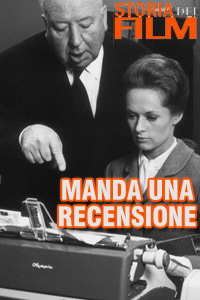
I received an email from Italy some weeks ago. A friendly guy named Francesco Carabelli asked me for a copy of "Memories". He wanted to write a review for the Italian film critics website storiadeifilm.it. Well, that’s something that makes me feel flattered and proud, so he doesn’t have to ask me twice! The review is online now, for nine days already. Those who are not able to understand the beautiful langugae, spoken south of the Alps, can now – thanks to my neighbor Graziella Sulis and makeup artist Claudia Rotoli – understand what Signore Carabelli wrote about our movie. Thanks a lot Graziella and Claudia!
E adesso eccola, la recensione di »Ricordi«:
Memories
Two youngsters.
The falling in love and the disappointment that the affection is not returned.
The bitterness of life and the will to terminate it.
The pain of loss and the universal value of memories.
Shot with RED One, this movie fascinates with astonishing tracking shots. A camera that never comes to rest follows with collateral and rotary moves the two protagonists’ love story. It constantly keeps those two persons in focus who hurl oneselves with enthusiasm into this pedagogic valuable project.
The story is simple: two young adults, their amorousness, the game and the complicity. The getting to know each other is made with a game of questions and answers which doesn’t always satisfy one of the two. Like in many other love stories, there’s the moment of misunderstanding and the memory on what could have been. "Memories" plays with these components: What’s our first memory? What experience firstly formed us? When did we have our first inebriation? When did we fall in love for the very first time?
In this movie, the memory – as in France’s legend Chris Marker’s movies a precious motive of cinematics – is treated as a personal experience and not as a historic recall; even though the director points out the universal value of memories in the alternative end of the movie. The end was changed after participating the Vimeo Film Festival.
The tragical end of the male protagonist, who is – obsessed from a memory of a past love – taking his life, wants to serve as an example of how memories, negative or positive, affect our life and hence the life of the others; the lifes of those who are close to us and even those we even don’t know. Everybody has to suffer the consequences of our actions. So there’s an ethical component that is, in the background, driving on the story of the German director Dennis Knickel. (I want to mention at this point that due to its pedagogic profile, the movie is especially appropriate for schools and other youth institutions.) Today, in times of social media, this message is more current than ever: Our memories and experiences can be made accessible to an endless number of receivers. Those still unknown people can re-experience our life and also can affect it by brining our experiences from a rather small group to a bigger circle of recipients.
This is not the debut of the 30 year lod [sic!] director. He already made other short films and films of medium length. He is an eclectic artist with his own production company and the ability for writing. He published a book about his travel through Thailand. He proves that he can tell a story with precision and that skillful edited images and an elliptic story telling grab the audience’s attention: Some scenes are re-used towards the end of the film, to create a short synopsis that is only made of images.
The young, in Cologne born actress Luana Bellinghausen and young Enrico Guzy from Berlin achieve a realistic presentation of the couple’s intimacy and the despair of the breakup. Even though the acting – probably more tied to the screenplay – becomes more stiff in this second phase of the movie and seems to be less spontaneous. Surely, the director is going to improve this in future collaborations with the actors, so that the next movies will certainly allow space for development with an even better directing and an even better script.
Another compliment to the beautiful forest scenery of Germany’s south, the area the director originally comes from, and the locations in Brandenburg. The movie was screened on many international film festivals and achieved the award for the best film at Marbella International Film Festival and other, smaller festivals.
Francesco Carabelli
(translation from Italian to German: Graziella Sulis & Claudia Rotoli)
Please visit storiadeifilm.it to read the original and many more reviews. And you should let me know if you also want to write a review.
Mille grazie Francesco Carabelli!
Dennis Knickel